 ultimate-guide
Personalized Baby Clothes for Winter: A Complete Guide
Table of Contents
- Why Personalized Baby Clothes Matter for Winter
- Baby Winter Layering Tips for Warmth and Comfort
- Personalized Baby Sweaters: Comfort Meets Customization
- Custom Baby Name Sweater Options and Durability
- Personalized Baby Shower Gifts That Last
- Sizing, Fit, and Growth Considerations
- Care and Washing for Long-Lasting Winter Pieces
- Frequently Asked Questions
Last Updated: October 9, 2026
Why Personalized Baby Clothes Matter for Winter
When winter arrives, keeping your baby warm becomes a top priority. But personalized baby clothes for winter offer more than warmth, they create lasting memories while serving a practical purpose. At Custom Knits for Baby, new parents want pieces that are both functional and meaningful.

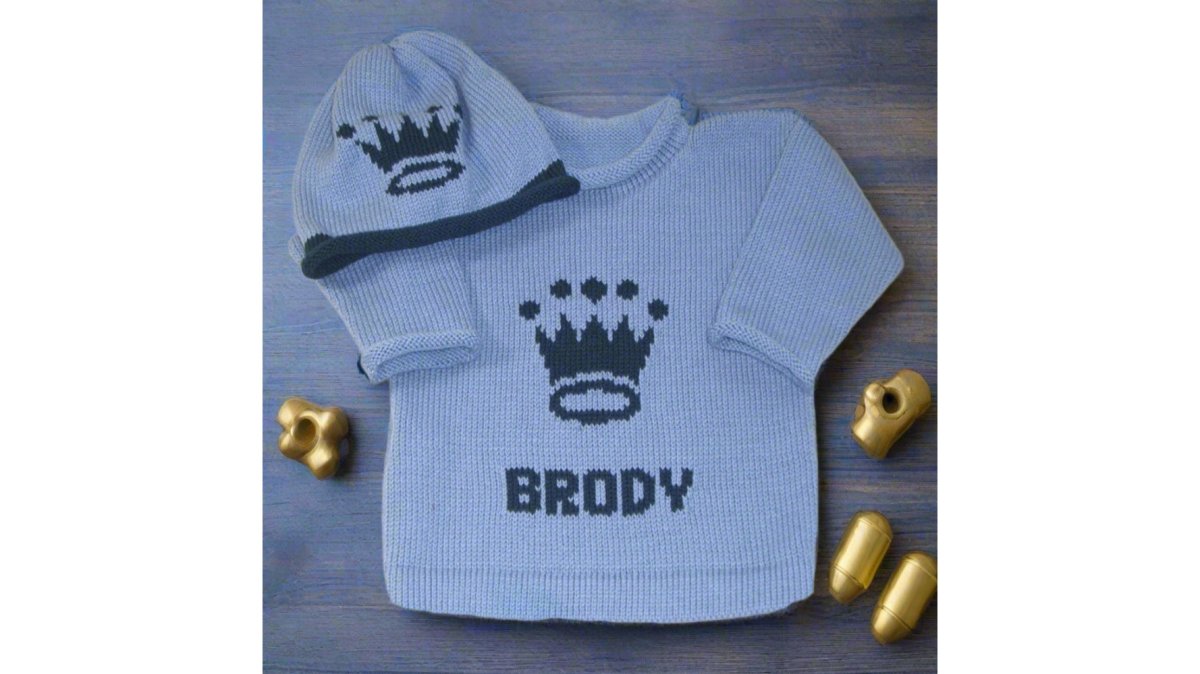
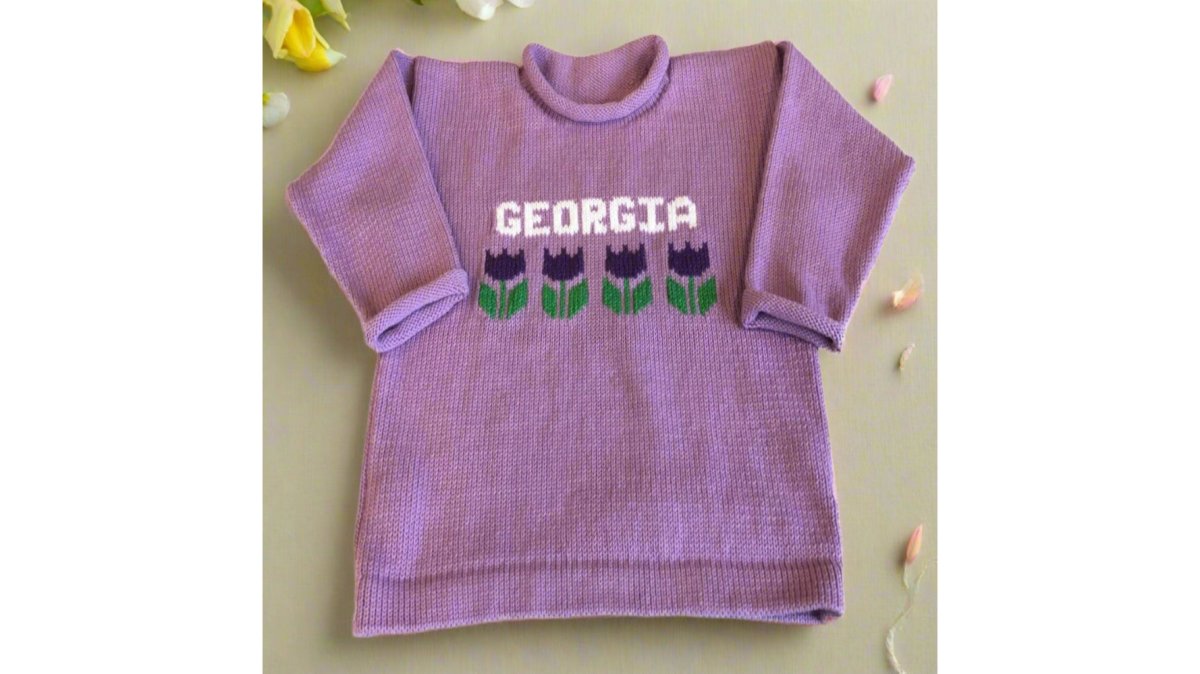
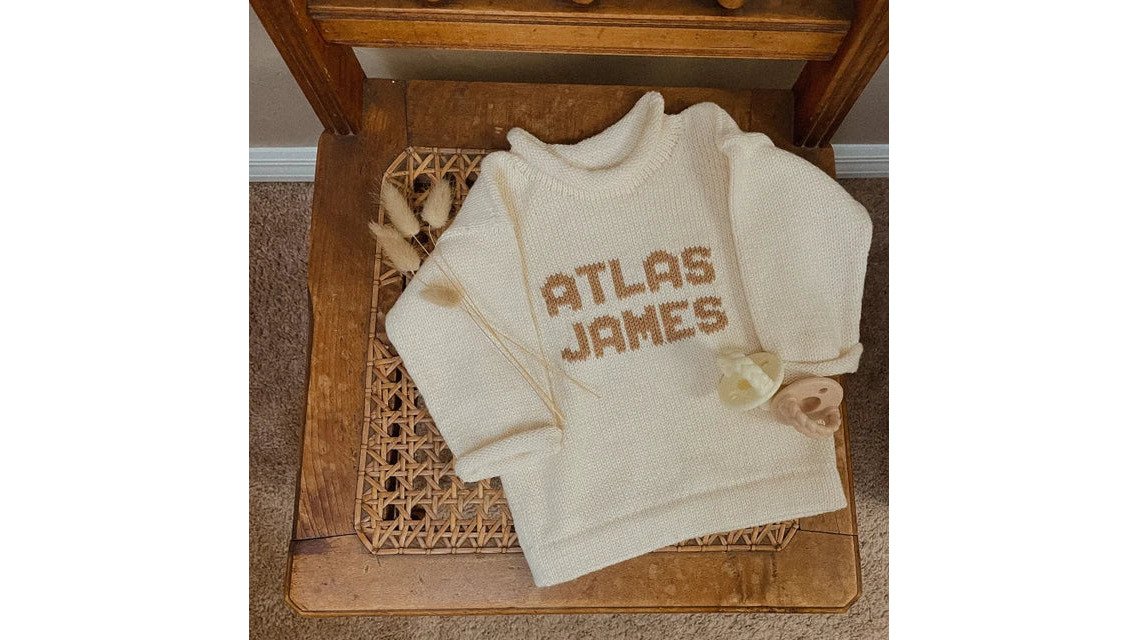
Personalized pieces solve real problems: identifying clothing at daycare, preventing mix-ups at playdates, and creating keepsakes. A sweater with your baby's name knitted directly into the fabric becomes a tangible memory of who your child was at that moment.
Durability matters too. Because the name or motif is knitted directly into the fabric, personalized baby clothes for winter crafted with quality soft cotton yarn stay crisp and clear wash after wash, preserving their sentimental value for years.
Baby Winter Layering Tips for Warmth and Comfort
Most winter dressing advice stops at "add a layer." The useful version explains what each layer does, how many a baby needs at a given temperature, and which layers must come off before sleep or a car ride.
The three-layer system, explained
A winter outfit works like a small insulation system. Each layer has a job:
- Base layer, sits against the skin. Its job is moisture management, not warmth. Soft cotton yarn breathes and pulls dampness away from skin so the next layer can do its job. A snug fit matters here; loose fabric traps air that never warms up.
- Mid layer, traps warmth. A personalized sweater in soft cotton is a strong mid layer because it adds insulation without the bulk that limits movement. This is the layer you remove first when you step indoors.
- Outer layer, blocks wind, rain, and snow. A snowsuit or bunting does this job. It should be wind- and water-resistant but still let some moisture escape, otherwise the base layer's work is wasted.

How many layers at which temperature
Use these as starting points, then adjust for wind, sun, and activity level:
| Outdoor temperature | Typical layers | Notes |
|---|---|---|
| Below 32°F | Base + mid + insulated outer, plus hat and mittens | Short outings only; check often |
| 32°F to 50°F | Base + mid layer (personalized sweater) + light outer | Remove outer as soon as you're inside |
| 50°F to 65°F | Base + mid layer, or just the sweater | Watch for overheating during active play |
| Above 65°F | Single layer | A sweater alone is usually plenty |
A general rule: dress your baby in roughly one more layer than you would wear yourself. If you're comfortable in a light jacket, your baby likely needs a base layer plus a sweater.
How to tell if your baby is too warm or too cold
Skip the hands and feet, they run cool even when a baby is perfectly comfortable. Check the back of the neck or the chest instead:
- Warm and dry, comfortable.
- Warm and damp, flushed cheeks, fussy, overheated. Remove a layer.
- Cool to the touch, mottled skin, add a layer or head indoors.
Overheating is the more common mistake, a baby in three layers indoors can become flushed and irritable within minutes.
Safe sleep: layers come off
Loose blankets, bulky outer layers, and anything that can ride up over the face do not belong in a crib. For sleep, dress your baby in a fitted base layer or sleep sack rated for the room temperature, not the sweater and snowsuit they wore outside.
Indoor transitions
The most useful habit for winter dressing is removing the outer layer the moment you step inside. A personalized sweater in soft cotton is breathable enough to stay on indoors, so the snowsuit comes off at the door and the sweater stays on.
Personalized Baby Sweaters: Comfort Meets Customization
Personalized baby sweaters sit at the intersection of practicality and sentiment. A custom sweater with your baby's name knitted into the design keeps your little one warm, prevents clothing mix-ups, and creates a keepsake you'll treasure for years.
Construction matters.
Soft cotton yarn keeps your baby comfortable all day. Quality cotton breathes naturally and stays soft through countless wash cycles, which matters especially for babies with sensitive skin.
A personalized baby sweater should allow layering without bunching, sitting comfortably over a base layer without pressure points so your baby can reach, grasp, and roll freely.
Custom Baby Name Sweater Options and Durability
A custom baby name sweater is more durable when the name is knitted into the construction rather than added afterward. When the name is part of the knitting process, it stays crisp and clear indefinitely.
Custom Knits for Baby offers personalized baby clothes for winter that prioritize this durability.

Color selection affects both aesthetics and practicality. Different colors in our official color chart suit different seasons and occasions. Choose colors that complement your baby's skin tone and your family's style.
Sizing should account for layering: a sweater worn over a base layer needs slightly more room than a standalone piece. Custom Knits for Baby designs sweaters to work well as mid-layers without excessive bulk.
Personalized Baby Shower Gifts That Last
Personalized baby shower gifts hold special significance because they arrive before the baby does.
Unlike generic gifts that blur together in memory, a custom piece stands out. Years later, parents remember who gave that special personalized sweater, especially when it stays in excellent condition, wearable by siblings or preserved as a keepsake.
Custom Knit Pullover | Personalized Sweater for Baby and Kids | Winter clothes →
Timing matters for shower gifts. Personalized baby clothes for winter should be given with enough lead time before cold weather arrives, a sweater gifted in September works perfectly for November and December wear.
Presentation adds to the experience. A custom made personalized sweater in soft cotton, carefully packaged, signals that thought and care went into the selection, recipients understand immediately that this is something special and intentional.
Sizing, Fit, and Growth Considerations
Baby sizing labels are a starting point, not a guarantee. Two babies the same age can wear different sizes, and a sweater that fits in November may be snug by January. Pick a size that gives a full season of wear without swallowing your baby in fabric.
What the size labels actually mean
| Size label | Typical age range | Typical weight range | Best for |
|---|---|---|---|
| Newborn | Birth to about 3 months | Up to roughly 12 lbs | Coming-home outfits, first photos |
| 3-6 months | About 3 to 6 months | Roughly 12-17 lbs | Late fall and early winter wear |
| 6-12 months | About 6 to 12 months | Roughly 17-25 lbs | The bulk of the cold season for babies born in spring |
| 12-18 months | About 12 to 18 months | Roughly 25-30 lbs | Toddlers still in the first-year wardrobe |
These ranges are guides. A baby born early or in the 90th percentile for weight will land differently. When in doubt, size up rather than down, a slightly roomy sweater is wearable; a tight one is not.
How to measure for a layered fit
A sweater worn as a mid layer needs more room than one worn alone. Measure your baby's chest at its widest point, then add one to two inches of ease for a layered fit; for a standalone sweater, half an inch to one inch is usually enough.
Other measurements worth checking before you order:
- Sleeve length, should reach the wrist without covering the hands, so your baby can still grasp and explore.
- Body length, should cover the torso without riding up when your baby lifts their arms.
- Neck opening, should be wide enough to pass over the head easily but not so loose that it slips off a shoulder.
Room to grow without swimming in fabric
"Size up" doesn't mean two sizes up. A sweater two sizes too large bunches at the wrists, slips off the shoulders, and creates air gaps that reduce warmth. The sweet spot is one size of growing room: sleeves cuff once, the body covers the diaper area, and the neckline stays put.
A common pattern among parents buying personalized winter pieces: order the size that fits now for photos and the coming-home outfit, and one size up for everyday wear through the rest of the season.
Fit considerations for layering and movement
A winter sweater has to work over a base layer without restricting movement. Check three things:
- Armholes, your baby should be able to raise both arms overhead without the sweater pulling tight across the chest.
- Waist, no elastic or binding that digs in when your baby sits or rolls.
- Closures, snaps or buttons along the front or shoulder make dressing a wriggling baby far easier than pulling a sweater over the head, and they make diaper changes faster.
Planning around growth spurts
Babies grow fastest in the first six months, then the pace slows. A baby in the 3-6 month size in early winter may still fit it by late winter, while a newborn-sized sweater may last only weeks. For a keepsake, the newborn size is the one most families save; for wear, the 6-12 month size usually delivers the most weeks of use for a winter baby.
Care and Washing for Long-Lasting Winter Pieces
Proper care keeps your personalized baby clothes for winter looking soft through years of use.
Wash personalized sweaters in cool water on a gentle cycle, hot water can shrink the garment and shorten the life of the soft cotton fibers.
Turn sweaters inside out before washing to protect the design and surface fibers, which reduces pilling and keeps the exterior fresh.
Dry your personalized baby sweater flat on a clean towel or drying rack.
Store clean, dry sweaters in a cool, dry place away from direct sunlight, with acid-free tissue paper to prevent yellowing.
Personalized baby clothes for winter transform ordinary clothing into meaningful keepsakes. When you choose Custom Knits for Baby, you're investing in quality that lasts through countless wash cycles.
Frequently Asked Questions
What should a baby wear in winter to stay warm?
Layer your baby with soft cotton as a base layer against the skin, add a warm mid-layer like a personalized baby sweater, and finish with a windproof outer layer. Include a hat, mittens, and socks since babies lose heat quickly through their head and extremities. Avoid overdressing indoors, and always check that your baby's neck and back feel warm but not hot to the touch.
Are personalized baby clothes a good gift for a baby shower?
Yes, personalized baby shower gifts like custom name sweaters and monogrammed cardigans make memorable keepsakes that parents treasure. They're practical for winter months and unique compared to generic gifts. Since they're custom made with your baby's name knitted directly into the fabric, they won't fade or peel like printed designs, making them durable through multiple children or storage.
How should you wash personalized baby clothes to keep them looking new?
Wash personalized baby sweaters in cold water on a gentle cycle using mild detergent. Air dry flat to prevent stretching and preserve the shape. Since the personalization is knitted directly into the fabric, not printed or embroidered, it won't crack, peel, or fade in the wash. Avoid high heat and bleach to maintain the soft cotton yarn's quality and color.
What size winter clothes should I buy for a baby?
Buy winter clothes in your baby's current size plus one size up to account for layering and growth during the cold months. Babies grow quickly, and oversizing by one size allows room for thermal base layers underneath. Check the garment's length and sleeve fit, sleeves should reach the wrist when arms are extended, and the sweater should cover the diaper without being too long.