 how-to
How to Store Baby Clothes for Long-Term Use
Table of Contents
- Prepare Your Baby Clothes Before Storage
- Choose the Right Folding Method
- Best Containers for Storing Baby Clothes
- How to Protect Baby Clothes from Moths
- Select a Cool, Dry Storage Location
- How to Store Baby Clothes for Your Next Baby
- Create a Storage Checklist and Label System
- Frequently Asked Questions
Last Updated: October 6, 2026
Prepare Your Baby Clothes Before Storage
Before you store baby clothes for long-term use, start with a clean slate. Washing removes dirt, oils, and stains that set over time and attract insects.

Why washing matters before storage
Clean garments last longer. Dirt and sweat contain proteins that moths and other pests feed on, and even invisible stains become permanent after months in storage.
Wash baby clothes in cool water using a gentle detergent. Turn items inside out to protect any custom details.
Treat visible stains before washing, once a stain sits in storage, heat and time make it nearly impossible to remove.
Drying completely to prevent mildew
Moisture is the enemy of long-term storage: even slightly damp fabric develops mildew, musty odors, and mold over months in a bin.
Air dry your baby clothes completely. Hang them in a well-ventilated space or lay flat on a clean towel.
Check inside seams and folds, which dry last and trap moisture, and give garments extra drying time before packing.
Choose the Right Folding Method
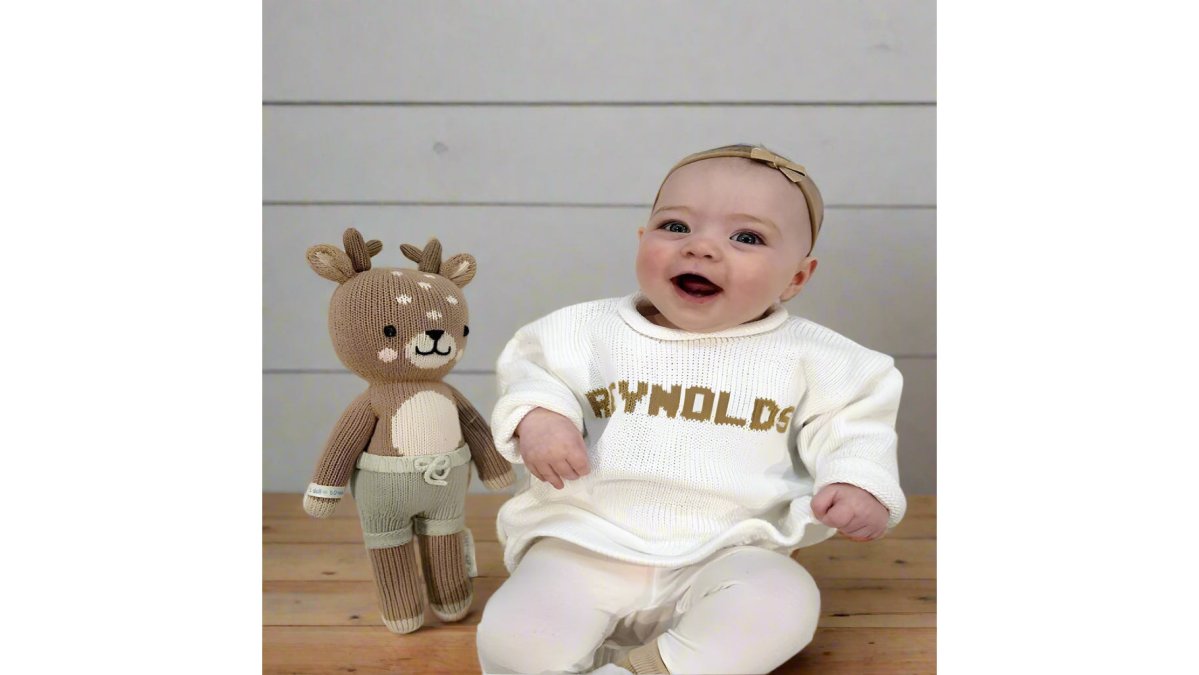
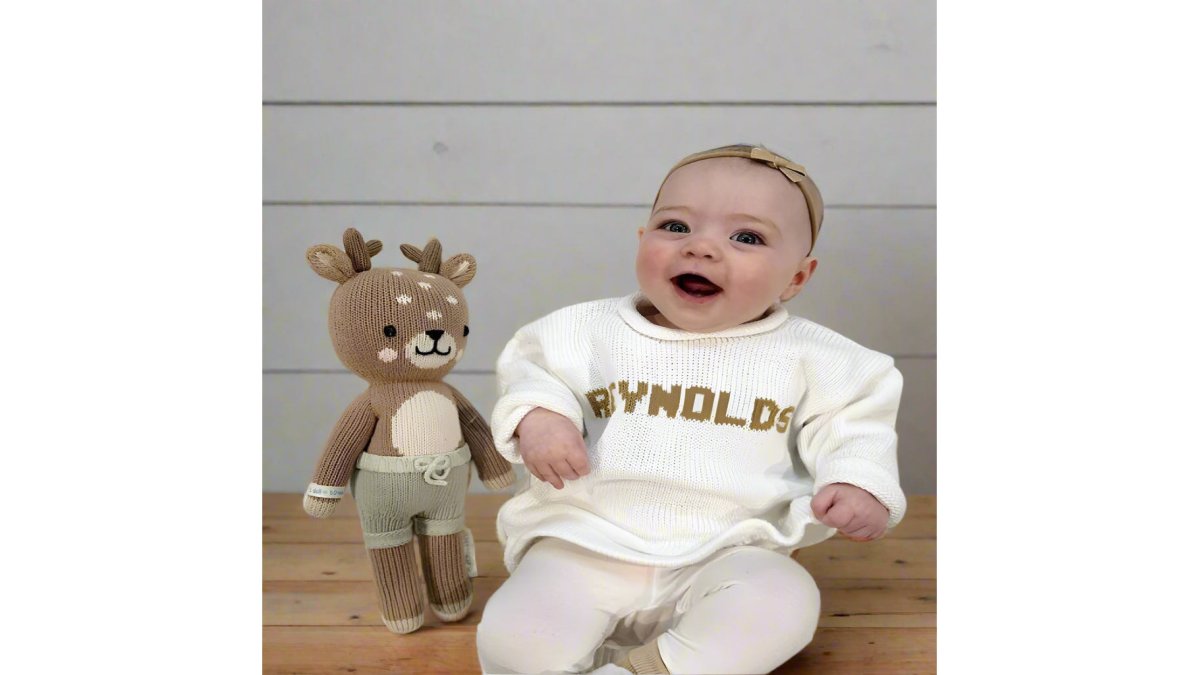
Hanging stretches knitwear: gravity pulls shoulders out of shape and leaves permanent bumps where the hanger meets the fabric. Baby garments are worse because they are small and lightweight, so even a thin hanger distorts a tiny shoulder seam. Folding is the default for anything made from soft cotton yarn and the only method that preserves the shape of a custom made sweater.

Why folding protects the garment
Knit fabric has natural stretch, so hanging pulls the shoulder seams down for months until the yarn relaxes into that position and does not spring back. Folding removes that constant pull, keeping stitches even and proportions intact.
How to fold sweaters and cardigans
- Lay the garment flat, face down, and smooth out any wrinkles with your hands.
- Fold each sleeve across the back, angling it slightly downward so it does not bunch at the shoulder.
- Fold the body in thirds: bring the left side to the center, then the right side over it.
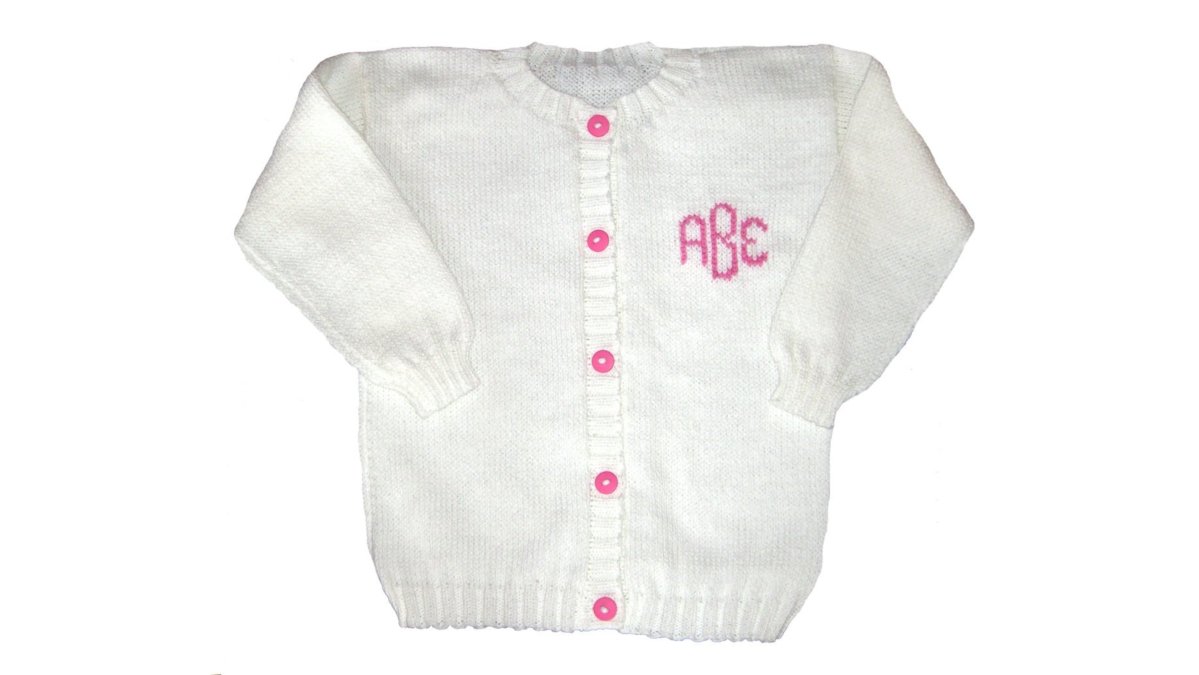
- For cardigans, close the buttons or snap the fasteners first so the front edges stay aligned.
- Place the folded garment in the container with the fold facing up, not the seam edge.
Avoid tight rolling, which compresses the yarn and creates permanent creases. A loose fold with a little air around it is better than a tight bundle.
Handling small items and fasteners
Onesies, sleepers, and small cardigans should be stored flat in stacks no more than 6 inches high; more weight compresses the bottom layers and flattens the yarn texture.
Snaps, buttons, and zippers can press into the fabric beneath them and leave dents. Before stacking, close all fasteners and lay them flat; tuck a metal zipper pull under a small flap of tissue paper so it does not rest against the knit.
Refolding on a schedule
Any garment left in the same folded position for months develops creases along the fold lines. Refold stored items every 3 to 4 months, shifting the fold lines slightly each time, this prevents permanent creases and lets you inspect for moisture or pests. Set a calendar reminder.
Best Containers for Storing Baby Clothes
Your choice of container affects how well baby clothes survive storage: the wrong one traps moisture, attracts pests, or exposes garments to dust and light.
Breathable storage bags vs. airtight containers
Breathable cotton storage bags allow air circulation. They protect from dust and light while letting moisture escape. These work best for short-term storage (under 12 months) and seasonal rotation.
Airtight plastic bins seal out pests and dust completely. They work better for long-term storage (over 12 months) but require careful moisture management.
Here's how to decide:
| Storage Timeline | Best Container | Why |
|---|---|---|
| Under 12 months | Breathable cotton bags | Allows air flow, easier access |
| 12+ months | Airtight plastic bins | Better pest protection, moisture control with desiccant |
| Seasonal rotation | Breathable bags | Prevents dust, easy to open and close |
| Heirloom storage | Airtight bins with desiccant | Maximum protection for long-term preservation |
Why container choice matters for different timelines
If you're storing baby clothes for your next baby arriving in 6-12 months, breathable bags work fine because you'll open them frequently.
Never use cardboard boxes. They break down, attract pests, and don't protect garments from moisture or light. Avoid plastic bags that don't breathe. They trap humidity and can damage fabric over time.
How to Protect Baby Clothes from Moths
Moths are the biggest threat to stored knitwear: females lay eggs on fabric and the larvae eat the yarn. A small infestation can ruin a stack of baby clothes in weeks, with holes appearing near seams and folds where you are least likely to look.
Know the signs before you have a problem
Check stored garments for these signs every time you open a container:
- Small, irregular holes, often clustered near seams, collars, or underarm areas
- Fine webbing that looks like cobwebs in the folds of the fabric
- Tiny cream-colored larvae or the husks they leave behind
If you see any of these, treat the whole container as infested, not just the garment where you found the damage.
A prevention routine that actually works
The most reliable prevention is a clean garment in a sealed container. Moths are attracted to protein-based soils from sweat, milk, and food, so a washed, fully dried garment is far less attractive than one with invisible residue.
Build this routine into your storage schedule:
- Wash every garment before it goes into storage, even if it looks clean.
- Dry it completely, including seams and thick hems.
- Inspect the garment in good light before folding.
- Place a deterrent inside the container, not just near it.
- Seal the container tightly and store it in a cool, dark place.
- Inspect every 3 months for the first year, then every 6 months after that.
Baby-safe deterrents and what to avoid
Not every moth product is safe around baby clothes; some leave odors or residues that linger on fabric and transfer to a baby's skin.
Safe options:
- Cedar blocks or cedar-lined storage boxes. Cedar needs direct contact with fabric to be effective, so place blocks between folded layers rather than just at the top of the bin.
- Lavender sachets. These offer mild protection and a pleasant scent. Replace them every 6 months as the scent fades.
- Dried bay leaves or rosemary. These are gentle, inexpensive, and safe to tuck between folded garments.
Avoid:
- Mothballs. They contain chemicals that can linger on fabric and expose a baby to fumes when the garment is worn later.
- Scented dryer sheets. The residue can transfer to the yarn and may irritate sensitive skin.
- Any liquid spray applied directly to the garment. Liquids can leave stains and attract moisture.
What to do if you find moths
If you find an infestation, treat the whole storage area, not just the affected container.
- Remove all garments from the affected container and inspect each one in good light.
- Wash every garment that can be washed, using the warmest water the care instructions allow.
- For garments that cannot be washed, seal them in a plastic bag and place them in the freezer for at least 72 hours to kill eggs and larvae.
- Vacuum the empty container and the surrounding shelf or floor, then wipe the container with a damp cloth and let it dry completely.
- Discard any deterrents that were in the infested container.
- Repack only clean, dry garments with fresh deterrents and a tight seal.
A simple inspection calendar
- Monthly for the first 3 months after packing: open each container, look for webbing, holes, and live insects.
- Every 3 months for the first year: refold garments, replace deterrents if the scent has faded, and check for moisture.
- Every 6 months after the first year: full inspection, refold, and refresh deterrents.
A 10-minute check at each interval catches a problem before it spreads. Write the dates on your calendar or set phone reminders.
Select a Cool, Dry Storage Location
Where you store baby clothes matters as much as how: the right location prevents mold, pest damage, and fading.
Choose a cool space where temperature stays between 50-70°F.
Keep garments away from direct sunlight. Light fades colors and weakens fabric fibers over time.
Maintain low humidity. Aim for 30-50% relative humidity. Use a small dehumidifier in damp spaces like basements.
How to Store Baby Clothes for Your Next Baby
Storing baby clothes for your next child requires a different approach than heirloom storage: easy access and organized sizing.
Organizing by size and season
Label containers by size, newborn, 0-3 months, 3-6 months, 6-12 months, 12-18 months, so you can find specific sizes fast when your next baby arrives.
Keep seasonal items together. Store winter sweaters separately from summer pieces. This makes rotation easier and prevents musty smells from mixing seasons.
Create a simple inventory list. Note what's in each container.
Store the most-used sizes at eye level. Newborn and 0-3 month items should be easiest to reach.
Periodic inspection and rotation
Check stored items every 2-3 months for moisture, pests, or mold, and refold to prevent permanent creases.
If you're storing custom made pieces like those from Custom Knits for Baby, inspect them carefully.
Rotate items between containers occasionally so all garments get air exposure and no area becomes damp.
When your next baby arrives, wash stored clothes before use.
Create a Storage Checklist and Label System
Organization saves time and prevents forgotten items. A simple checklist and labeling system keeps everything accessible.
Use a checklist before packing:
- Wash all items in cool water with gentle detergent
- Air dry completely, including seams and folds
- Inspect for stains or damage
Label each container with waterproof tape or a permanent marker, noting size range, contents, and packing date.
Keep your inventory list in a document or spreadsheet. Update it when you add or remove items.
Set calendar reminders to check stored items every 3 months. A 10-minute inspection prevents major problems.
Storing baby clothes properly means they'll be ready when you need them. At Custom Knits for Baby, we know how much these custom made garments mean to families.

Frequently Asked Questions
Should baby clothes be washed before storage?
Yes, always wash baby clothes before storing them for long-term use. Even small stains and odors can attract moths and other pests. Use a gentle detergent and ensure garments are completely dry before folding and placing in containers. This simple step prevents mold, mildew, and pest damage, keeping your baby clothes fresh and ready to wear months or years later.
What is the best way to store baby clothes for the next baby?
Wash and fully dry all garments, then fold them neatly rather than hanging. Place folded baby clothes in breathable cotton bags for short-term storage (under 6 months) or airtight containers for longer periods. Store in a cool, dry location away from direct sunlight. Include a label with the size and season, and check stored items every 3-4 months for signs of moths or moisture damage.
How can I protect stored baby clothes from moths?
Use cedar blocks, lavender sachets, or other natural deterrents inside your storage containers. Ensure garments are clean and completely dry before storing, as moths are attracted to dirt and moisture. Inspect stored clothes every few months for small holes or signs of webbing. If you spot damage, isolate affected items immediately and wash them in hot water to kill any larvae.
Is it better to fold or hang baby clothes in storage?
Folding is better for long-term storage because it prevents stretching and maintains the shape of delicate baby garments. Hanging can cause shoulder stress and distortion over time. Fold sweaters and other knitwear carefully, store them flat in containers, and avoid stacking too many items on top of each other, which can compress the fabric.